The Soul Journey starts with the creation of energy bodies that form the soul and its incarnation across lifetimes. Souls experience both physical and spiritual realms, but unresolved issues or attachments can prevent them from transitioning to the soul dimension after death.
Astral Dimension: Describes the astral world as a connective realm between physical and soul dimensions. It is often cluttered with residual energies and lost souls, which can affect human perception due to fears and cultural influences.
Types of Lost Souls: Confused Souls~Often human-like, connected to a person or place via energy cords. Parasites~Lodged within a host’s body, appearing as dark blobs of energy. Mischievous Entities~Souls with negative intentions due to unresolved trauma, often mistaken for “demons”.
Effects of Lost Souls can significantly impact their hosts. Physical Symptoms~Fatigue, illness, or unexplained pain. Psychological Symptoms~Anxiety, depression, or behavioral changes. Spiritual Symptoms~Disconnection from one’s higher self or spiritual imbalance
The Higher Senses includes claircognisance, clairvoyance, clairaudience, and clairsentience.
Below is an analysis of each sense, including its definition, associated practices, and developmental techniques.
Claircognisance (Intuition)
Definition: Claircognisance is the ability to intuitively “know” something without prior knowledge or evidence. This sense often manifests as spontaneous insights or realizations that seem to come from nowhere.
Training Activities: Practice trusting your gut feelings and acting on intuitive thoughts during daily activities. Engage in exercises that encourage introspection and self-awareness, such as journaling about intuitive experiences.
Further Development: Regular meditation to quiet the mind and enhance receptivity to intuitive thoughts. Energy activations within the Ashati system to strengthen the connection between the mind and higher consciousness.
Clairvoyance (Seeing)
Definition: Clairvoyance refers to the ability to perceive images, symbols, or visions related to past, present, or future events. These visual impressions may occur in the mind’s eye or appear as external visions.
Training Activities: Visualization exercises, such as imagining objects or scenes in vivid detail.Observing surroundings with heightened awareness and noticing patterns or symbols that may carry meaning.
Further Development: Focus on activating and balancing the third eye (brow chakra), which is associated with clairvoyant abilities. Use guided meditations designed to stimulate visual perception and imagery.
Clairsentience (Feeling)
Definition: Clairsentience is the ability to sense energy, emotions, or physical sensations from people, objects, or environments. It is often described as an empathic ability to “feel” what others are experiencing.
Training Activities: Pay attention to emotional or physical reactions when interacting with others or entering new spaces. Practice grounding techniques to manage overwhelming sensations and maintain energetic balance.
Further Development: Work on opening the heart chakra, as it is closely linked to emotional sensitivity and clairsentient abilities. Engage in energy healing practices that heighten awareness of subtle energy changes.
Clairaudience (Hearing)
Definition: Clairaudience involves hearing non-physical sounds, such as voices, music, or other auditory messages from spiritual guides or higher realms. These sounds are often subtle and may be mistaken for internal thoughts.
Training Activities: Spend time in silence to become attuned to subtle auditory sensations. Practice distinguishing between internal mental chatter and external psychic messages.
Further Development: Strengthen the throat chakra, which governs communication and auditory perception. Use sound-based meditations or tools like singing bowls to enhance auditory sensitivity.
1. Creation and Incarnation * Soul Formation: The journey begins with the creation of energy bodies, which eventually form the soul. This suggests that the soul is not a static entity but rather something that comes into being through a developmental process. * Purpose of Incarnation: Souls incarnate into physical bodies to gain experience and learn. This implies that the physical realm serves as a school or training ground for spiritual growth. The experiences encountered in physical life contribute to the soul’s evolution. * Multiple Lifetimes: The document mentions that souls incarnate into physical bodies across many lifetimes. This concept of reincarnation is central to many spiritual traditions and suggests that learning and growth occur over a series of lives.
2. The Astral Dimension * Intermediate Realm: The astral dimension is described as a connective world between the soul realm and the physical world. It acts as a bridge or transition zone between these two states of existence. * Varied Planes: The astral dimension contains various planes of existence, indicating a complex structure with different levels or frequencies. This suggests that the astral realm is not a uniform place but rather a diverse and multifaceted environment. * Residual Energies: The astral dimension can be cluttered with residual energies, highlighting that it’s a repository of the energetic imprints of thoughts, emotions, and experiences. This clutter can affect the souls that reside there or pass through it.
3. Transition and Potential Challenges * Natural Process: The natural process after the death of the physical body involves the soul moving through a tunnel of light or a portal to the soul dimension. This transition is often supported by angels or spirit guides and the welcoming presence of loved ones. * Stuck Souls: Souls may get “stuck” or become lost in the astral dimension due to unresolved issues, unhealthy attachments, or negative beliefs about the afterlife. This highlights the importance of resolving emotional and spiritual issues during life to ensure a smooth transition after death. * Impact on the Living: These lost souls can connect with incarnated humans, influencing their energy, mind, balance, and health. This underscores the interconnectedness between the physical and spiritual realms and the potential impact of unresolved energies on the living.
In summary, the soul journey is depicted as a dynamic and ongoing process of creation, incarnation, learning, and transition. The astral dimension plays a key role in this journey, and the experiences and choices made during physical life have significant consequences for the soul’s progression.
Soul journey as a process that includes the creation of energy bodies, forming the soul, and the soul’s subsequent incarnations into physical bodies across many lifetimes.
This journey allows spirits to experience life in both the soul realm and the physical realm, offering diverse opportunities for learning, expression, and manifestation.
The level of “disconnection” from inner knowledge about one’s own nature and the nature of the universe can vary depending on a soul’s development and the specifics of its physical incarnation.
Earth, is presented as a place where humans experience significant disconnection from their spirit and soul, leading to a lack of understanding about the universe, life, and the soul journey.
Upon the death of the physical body, the soul enters the lower part of the astral dimension. The natural process involves the soul releasing its lower astral bodies and transitioning to the soul dimension, often described as moving through a tunnel of light or a portal. This transition is typically assisted by angels or spirit guides, and the soul is often greeted by loved ones who have passed on.
However, unresolved issues, unhealthy attachments, or negative beliefs about the afterlife can cause souls to resist moving on, leading to a lost and confused state in the astral dimension. These souls may connect with incarnated humans, affecting the host’s energy, mind, balance, and health.
* Direct Authority (正官): Represents honesty, fairness, conventionalism, societal rules, responsibility, and status. In a female chart, it can indicate the husband. * Indirect Authority (七杀): Represents authority, extremity, ambition, decisiveness, and competitiveness. In a female chart, it can also indicate the husband. In a male chart, authority stars indicate children. * Implicit Talent (食神): Exhibits gentleness, a relaxed stance, refinement, strategy, and thoughtfulness. * Explicit Talent (伤官): Exhibits dynamism, a headstrong nature, innovation, charisma, and bold expression. * Direct Resource (正印): Represents kindness, benevolence, formal education, and maternal guidance. * Indirect Resource (偏印): Reflects independence, grand ideas, intuition, creativity, and unconventional thinking. * Conventional Wealth (正财): Represents diligence, pragmatism, thriftiness, responsibility, and practical gains. * Unconventional Wealth (偏财): Represents generosity, forthrightness, investments, and resourcefulness. * Friend/Rival Stars (比劫): Symbolize self-identity, social connections, and inner strength, indicating relationships and support. Friend (比) represents independence, amiable and self confidence, and Rival (劫) represents adaptability, competitiveness and determination.
Mikao Usui (1865-early 1900s): * Received Buddhist monastery education. * Studied medicine, psychology, religion, and Asian fortune-telling. * Developed Reiki, with accounts varying between spiritual vision and ancient text study. * Traditional Japanese Reiki (TJR) links Usui’s method to traditional Chinese medicine and meridian energy pathways.
Chujiro Hayashi: * Usui’s student, a former Japanese Navy medical doctor. * Documented Reiki’s effects, established a Reiki clinic. * Developed standardized hand positions and a three-level Reiki training system (Levels 1, 2, and Master-Teacher).
Hawayo Takata: * Treated for illness by Hayashi in Japan. * Learned and practiced Reiki, opening a clinic in Hawaii. * Popularized Reiki in the West. * Established a pricing structure for Reiki training. * Trained 22 master teachers.
Iris Ishikura: * One of Takata’s students. * Broke with tradition by charging less for Reiki training.
Reiki Energy: * Reiki is described as a specific healing energy linked to the Earth element. * “Rei” means “Universal,” and “Ki” means “Life force energy.” * Reiki can also refer to general energy healing. * The energy is often perceived as heat or tingling. * Reiki courses can be a foundation for other energy healing systems.
Reiki is a type of healing energy: It is a specific type of healing energy that is linked to the Earthelement. It is often experienced as heat or tingling.
Reiki can be used for self-healing and healing others: The manual provides instructions on how to use Reiki for self-healing and healing others. It also explains how to use Reiki to heal food, plants, and animals.
Reiki is a complementary therapy: It is important to note that Reiki is a complementary therapy. It should not be used to replace conventional medical treatment.
Reiki is a spiritual practice: Reiki is a spiritual practice that can be used to promote physical, emotional, and spiritual well-being.
Overall, the key takeaway is that Reiki is a gentle and effective healing modality that can be used to promote overall well-being.
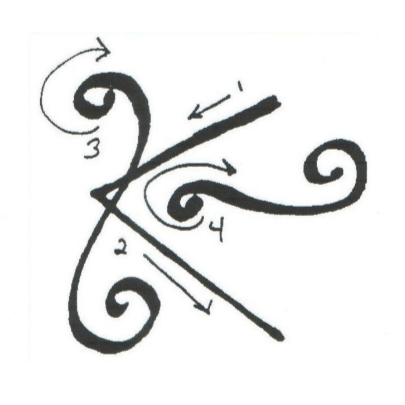
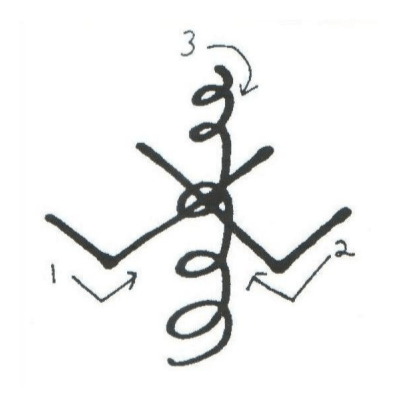
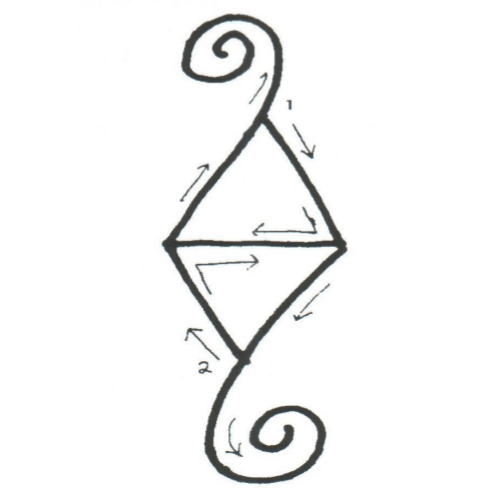
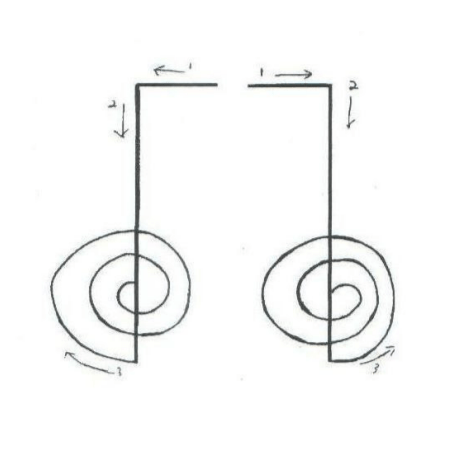
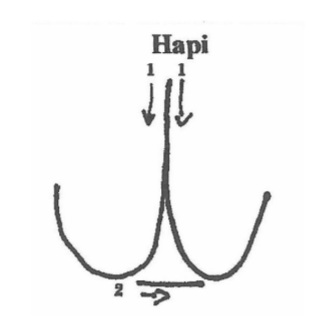
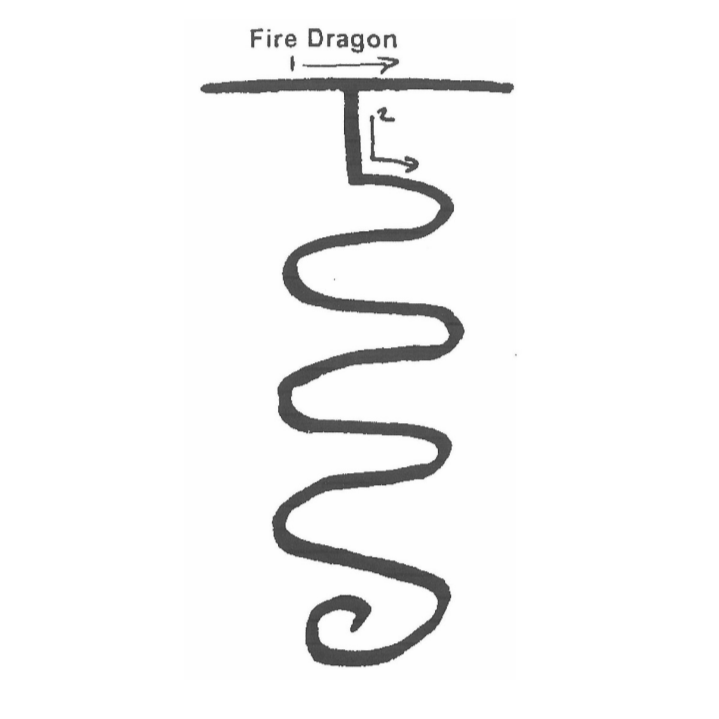
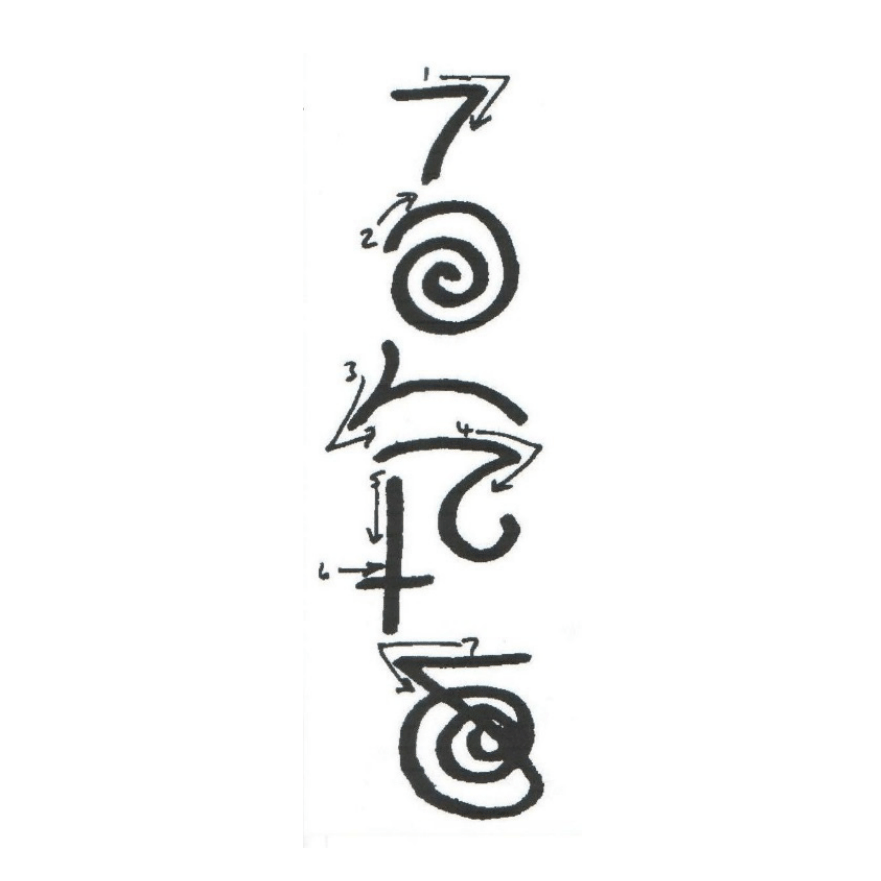
**Prior to the practice of Reiki, an energy activation, or attunement is recommended.
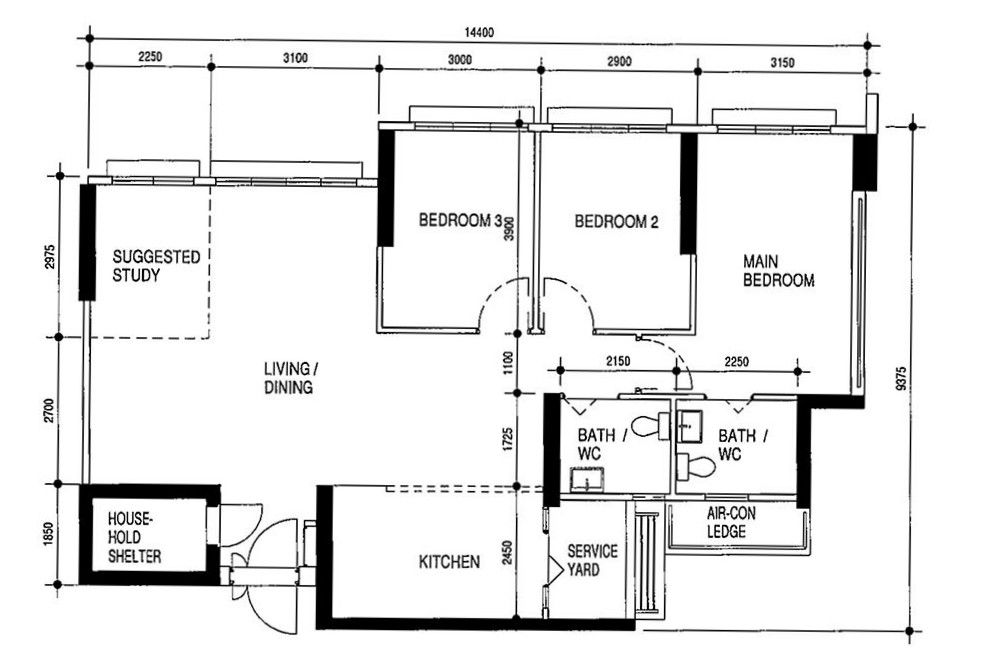
This floor plan belongs to a public apartment (HDB) in the northeastern part of Singapore. There is no special formation in this chart, hence we need to identify what are the suitable stars to activate to best use the natal energy.
Mountain stars 8 and water stars 1 are locked in the central palaces. Whilst both mountain and water stars 9 are in palace 4 (at southeast), it gives rise to prosperity in the kitchen area and female individuals of the household by the use of water and/or movement. Both instances are naturally occurring human habits (i.e. using the kitchen for food and water).
The facing (i.e. living room, bedroom 2 and 3) is plagued with sickness star 2 which particularly affects the residents of these 2 bedrooms and the male owner of this apartment. The use of selenite ~ 8 pieces, will be able to harmonize the negative effect.
The main door is most affected by the negative energy ~ calamity star 5. The south sector which is denoted by fire qi enhances the negativity energy of this star. Recommend the use of (at least) knee level bronze or copper brolly holders or shoe racks to mitigate.
Breadwinner’s element is water, suggesting that every time he enters the house, goes straight to the master room (put down his stuff) and goes to the bathroom for a shower or if in need of a drink to be seated at the dining table. This sequence is to transmute the earth’s energy to metal to produce water.



 The Luminary
You must be logged in to post a comment.